
Knowledge base
I hate doing gym workouts, I find them boring. Will this be similar?
- Martial Arts
- Martial Arts Training

The Direct Answer
No, Martial Arts training does not feel like a typical gym workout. Instead of repeating the same sets on machines, you learn techniques, work with a partner, and build skills that change from class to class, so the time passes differently and the work feels purposeful rather than repetitive.
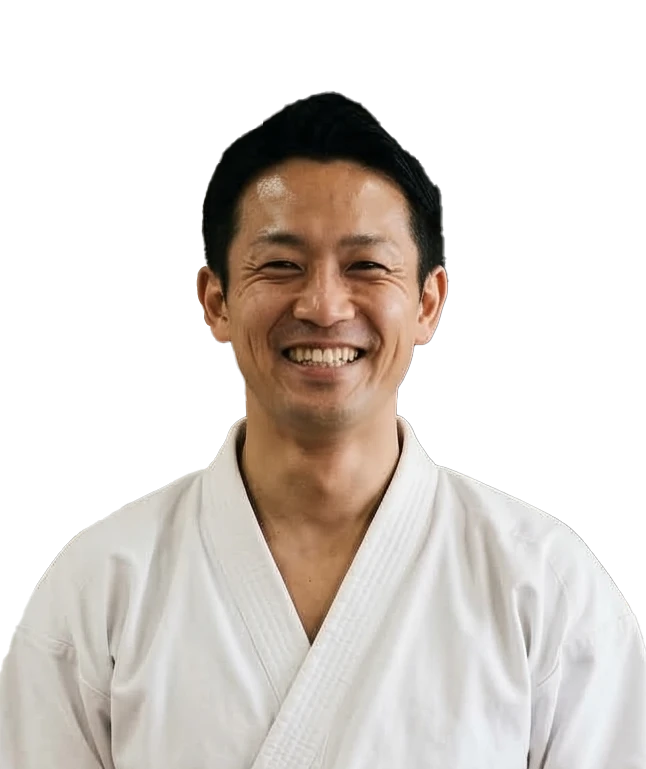
Written and reviewed by Christopher Tersak
Teaching Martial Arts at Tersak's Family Martial Arts Academy since 1984, with experience across a wide range of students and skill levels.
Martial arts keeps adults engaged because every class gives you something new to learn, practice, and improve. Instead of repeating the same gym routine, you’re building practical skills while developing fitness, coordination, and confidence.
Why Martial Arts Training Feels Different From a Gym Routine
A gym session often means counting reps and watching the clock. Martial Arts classes are built around drills, technique breakdowns, and live practice with training partners, so your attention stays on solving a movement or reading an opponent rather than pushing through boredom.
Skill Progression Keeps You Engaged
Ranks and skill milestones give you something concrete to work toward beyond general fitness. Each new technique or level builds on the last, so training has a sense of direction that a repeated gym circuit does not offer.
Training With Others Builds Accountability
Much of the work in a Martial Arts class happens with a partner or in a group, which naturally creates conversation, feedback, and shared effort. Training alongside others tends to keep people showing up in a way solo gym routines rarely do.
Confidence and Character Development Beyond Fitness
Many adults come to Martial Arts looking for more than physical exercise. The discipline, focus, and problem solving involved in learning techniques can support confidence and personal growth alongside any fitness benefits.
What a Beginner Class Typically Involves
A class usually opens with a warm-up, moves into instruction on specific techniques, then partner drills to apply what you have learned. Instructors such as Christopher Tersak guide beginners through each step, so no prior experience is needed to follow along.
Related questions
How does martial arts training stay varied from class to class through new techniques, partner drills, combinations, and conditioning?
Each class is structured to keep things fresh by rotating through different elements, one session might focus on introducing a new technique, while another emphasizes partner drills to sharpen timing and reaction. Combinations get layered in to build fluidity between movements, and conditioning work is mixed throughout to build strength and endurance. This variety keeps training engaging while still reinforcing core skills session after session.
How do martial arts instructors keep beginners challenged without making every class feel like the same repetitive workout?
Instructors typically keep beginners engaged by varying the details within a skill rather than repeating identical reps — changing partners, adjusting timing or resistance, or breaking a technique into smaller checkpoints like footwork, distance, and defense. This means you’re often working on the same broad skill from a new angle each class, so there’s always something specific to correct or improve rather than just going through the motions.
Does martial arts belt progression introduce new skills and goals as I improve, or can training start to feel repetitive over time?
Belt progression is designed to keep training fresh by introducing new techniques, sparring concepts, and personal goals at each stage. As you advance, the challenges grow more complex, pushing you to refine old skills while learning new ones. While some repetition is natural for mastering fundamentals, most students find that each belt level brings fresh material and renewed motivation rather than monotony.
Can martial arts provide enough cardio, strength, and mobility to replace some of my regular gym workouts?
For many adults, martial arts training under instructors like Christopher Tersak can serve as a well-rounded substitute for parts of a traditional gym routine, since classes often blend cardiovascular conditioning, strength-building drills, and mobility work into a single session. While it may not fully replace specialized strength training, the combination of footwork, striking, and conditioning exercises can significantly improve overall fitness, making it a practical addition or alternative to standard gym workouts.
What should I pay attention to during a martial arts trial class to decide whether the pace, variety, and skill progression will keep me interested long-term?
During a trial class, pay attention to how the session is structured — notice whether the instructor breaks techniques into clear steps, how much time is spent working with a partner versus repeating solo movements, and whether the drills shift enough between segments to hold your interest. A good sign of long-term fit is losing track of the clock because you’re focused on solving a movement, rather than counting down until the session ends.
Other resources you may like


Ready to Experience the Difference?
Train Martial Arts With Christopher Tersak

- Last updated: 25 September 2026